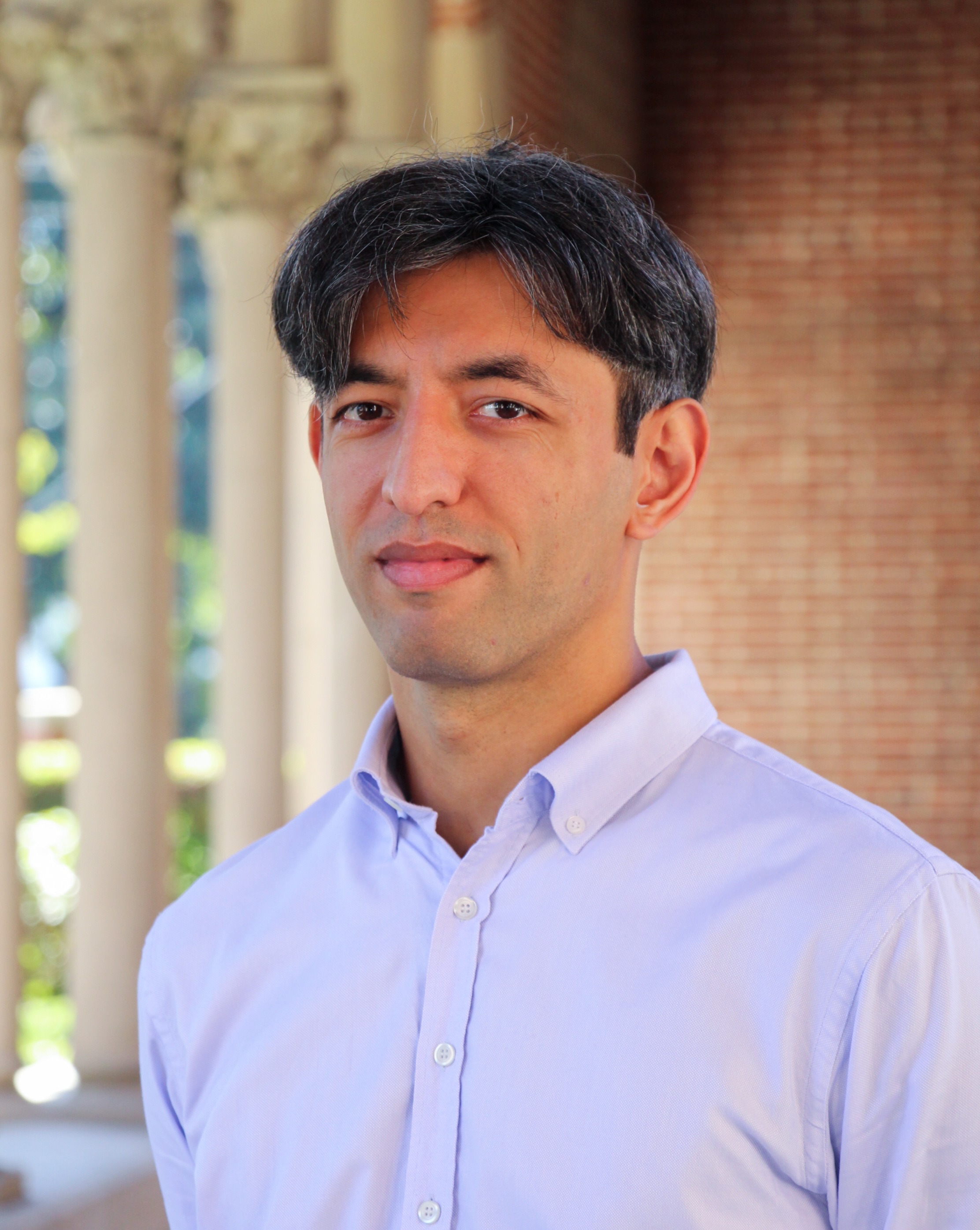
I am a PhD candidate in the Economics department of the University of Southern California.
Research
Job Market Paper
AI Automation and Labor Market Outcomes
Existing measures of occupational AI exposure ignore worker reallocation, failing to capture true economic impact. In this study, I address this by developing a general equilibrium framework that explicitly models the occupational choice problem for workers. Using administrative German data, I recover the unobserved, heterogeneous comparative advantage vectors that drive these choices. I then simulate a productivity-enhancing AI shock derived from task-level automation scores. The results show that the ability to reallocate determines the distribution of welfare gains: generalists capture the largest relative wage gains by pivoting to high-growth sectors. Conversely, specialists, defined by concentrated comparative advantages, experience significantly smaller gains. This relative penalty affects both low skill workers, whose comparative advantage is confined to manual or service tasks, and high-skill workers who are specialized in certain domains, as the limited transferability of their skills restricts them from accessing the highest returns in the labor market.
Work in Progress
Measuring Limited Mobility Bias
Limited mobility bias yields overestimation of firm effects in earnings models where the income is assumed to be sum of worker and firm effects. While this bias is attempted to be corrected by statistical methods, I aim to measure this bias by looking at the cases with high mobility, such as mass layoffs. With a matched employer-employee data, I focus on the tech layoffs during 2023 and 2024.
Teaching
Teaching Assistant at the University of Southern California for
- Intermediate Microeconomics
- Intermediate Macroeconomics